
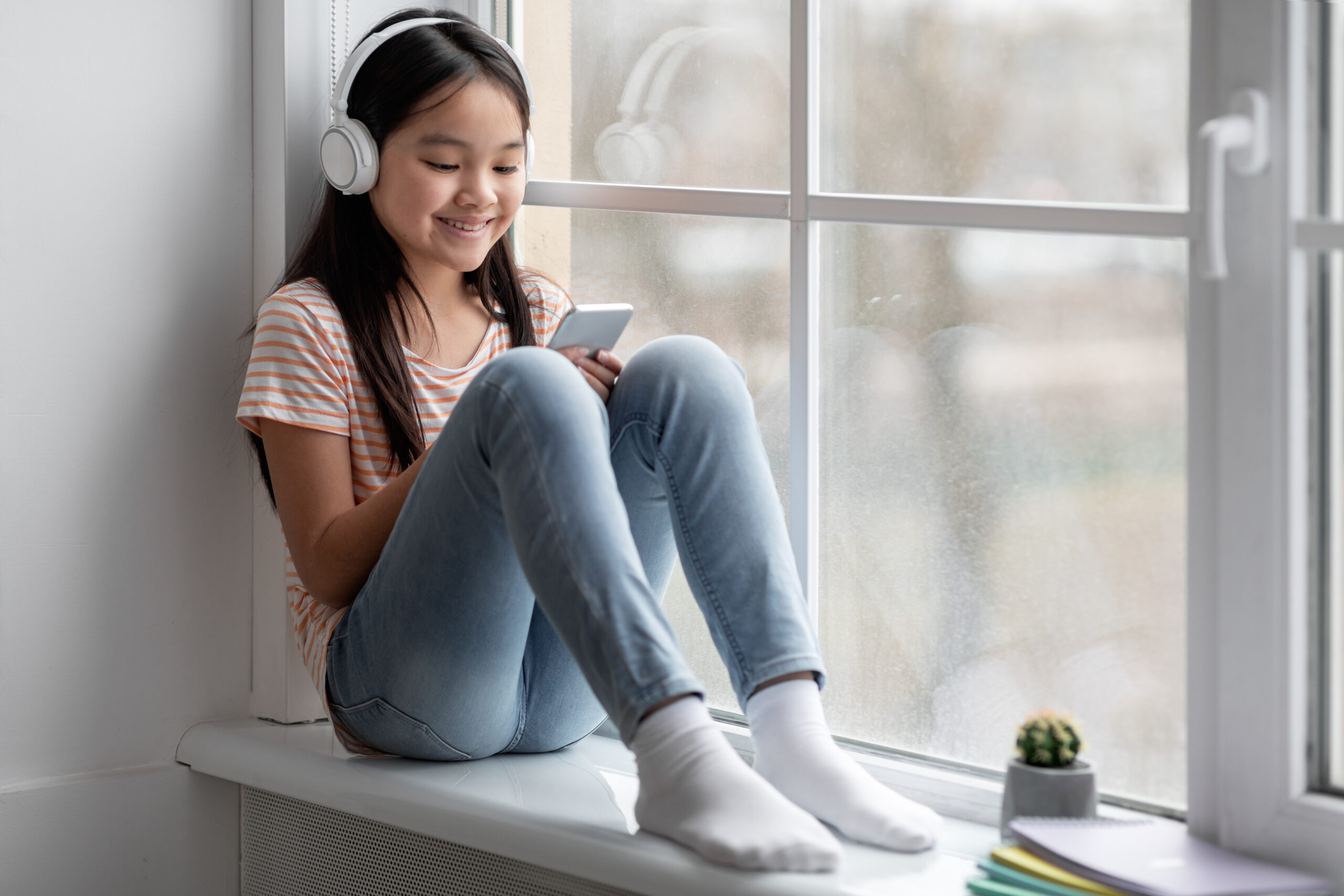
Social media has a profound impact on our mental health. More and more studies show that excessive social media use is associated with an increase in depression, anxiety, and self-esteem problems. In this article, we will examine in detail the health drawbacks as well as the negative effects of social media on the mind and body. We will also explore where we feel these impacts most strongly and frequently, and how we can counteract them.
The growing toll of social media on our mental health
Social media have become an integral part of our daily lives. We spend hours scrolling through endless news feeds, looking at photos, and engaging in virtual interactions. But while social media offers many positives, such as the ability to stay connected with others and share information, it also poses risks to our mental health.
The health disadvantages of excessive social media use
-
Depression: Studies show a clear link between excessive social media use and depression. Constant comparison with other, idealized lives and lack of real social interactions can lead to feelings of inadequacy and loneliness.
-
Anxiety: Social media can also increase anxiety. The pressure to be constantly present online, the feeling of missing out (FOMO) and the constant sensory overload caused by the constant availability of information can lead to increased tension and nervousness.
-
Self-esteem issues: The constant presentation of perfectly staged lives and bodies in social media can lead to strong comparison thinking and a negative perception of one’s own body. This can lead to lowered self-esteem and increased risk for eating disorders.
The effects of social media on mind and body
-
Sleep disorders: Overusing social media before bed can lead to sleep disturbances. The bluish light from screens inhibits the production of the sleep hormone melatonin and impairs the quality of sleep.
-
Difficulty concentrating: Constantly switching between different social media platforms and constantly checking notifications can impair the ability to concentrate. This can have a negative impact on our productivity and performance.
-
Physical inactivity: excessive time spent on social media often comes at the expense of physical activity. This can lead to a sedentary lifestyle that is associated with an increased risk of obesity, heart disease and other health problems.
Where do we notice the impact most and most often?
-
Adolescents and young adults: adolescents and young adults are particularly vulnerable to the negative effects of social media on mental health. They are often more involved in social networks and more sensitive to comparison with others.
-
People with low self-esteem: people who already struggle with low self-esteem are more vulnerable to the negative effects of social media. Comparing themselves to supposedly perfect lives can further lower their self-esteem.
-
People with mental illness: People who already suffer from mental illnesses such as depression or anxiety can be further burdened by social media. The constant availability of trigger content and the pressure to maintain a positive online presence can exacerbate symptoms.
What can we do about it?
-
Conscious use of social media: It is important to be aware of how much time you spend on social media. Set clear boundaries for yourself and schedule screen-free times.
-
Digital detox: Take regular time to recover from social media. Turn off notifications and do activities that bring you joy and divert your attention to other things.
-
Boost self-esteem: focus on your own strengths and successes instead of comparing yourself to others. Maintain real social relationships and seek support when faced with negative feelings.
-
Create a positive online environment: choose carefully who you follow and what you consume on social media. Remove accounts that trigger negative feelings or promote unrealistic beauty standards. Instead, follow inspirational and supportive accounts that promote your well-being.
-
Maintain real social relationships: Social media can never replace face-to-face contact and genuine interpersonal interaction. Invest time in building and maintaining genuine relationships by prioritizing face-to-face meetings, phone calls, or video calls.
-
Set clear goals and priorities: Define what role you want social media to play in your life. Set clear goals and priorities, such as limited screen time or specific times when you are allowed to use social media. Focus on your own interests and hobbies to find a balance between online and offline activities.
-
Seek support when needed: If you find that the impact of social media on your mental health is becoming too much, don’t hesitate to seek professional help. Therapists and counselors can help you manage your relationship with social media and develop healthy coping strategies.
-
Create technology-free spaces and times: Schedule times and spaces where you consciously withdraw from technology and social media. This could be, for example, one technology-free evening a week or a room in your home that is free of screens. Use these times to relax, meditate, or enjoy other activities that bring you joy.
A healthy approach to social media for good mental health
Social media have undoubtedly become an integral part of our modern lives. Although they offer many benefits, it is important to be aware of their potential negative impact on mental health. By using social media in an intentional and balanced way, creating a positive online environment, cultivating genuine relationships, setting clear goals and priorities, and seeking support when needed, we can protect our mental health and live a fulfilling life in the digital age. By harnessing the power of social media to inspire and connect rather than burden us, we can find a healthy balance between the digital world and our own well-being.


